01 · main focus
Humanitarian tech
Our first priority is helping people in conflict zones: warning of danger, helping the injured, supporting rehabilitation and rebuilding life after conflict.
[ student tech club · Munich · TUM accreditation in progress ]
A student tech club founded by TUM students. We use technology to reduce the human cost of war: hands-on projects, hackathons, talks, and a bridge between the Munich and Ukrainian tech scenes.
about
The number of armed conflicts has grown this decade. Wars like the one in Ukraine cost thousands of lives and disrupt the future of millions. For Europe, this makes two questions more urgent: how to stay safe, and how to help people affected beyond its borders.
def milch(tech): is a group of students who want to use their technical skills to reduce the human cost of war. The club is open to all students, regardless of nationality or field of study.
01 · main focus
Our first priority is helping people in conflict zones: warning of danger, helping the injured, supporting rehabilitation and rebuilding life after conflict.
02 · open debate
Defence and security technology matters for Europe and deserves an open, informed debate. At our events we want to discuss how technology changes conflicts, how to protect civilians and infrastructure, and how to prevent future wars, with experts, researchers and people from industry. As a club, we do not develop lethal weapons.
>>> help(milch)
milch != mil # care comes firstTakes technology. Returns protection.
what we do
Hands-on projects in ML/CV, hardware, drones and humanitarian tech, built by small student teams. The first ones start in summer 2027.
We plan to send teams to hackathons, including defence-tech hackathons, and to pick non-lethal, civilian challenges such as protecting people and infrastructure. We also want to run our own mini-hackathon.
The def milch(tech): talks series with founders, engineers and researchers, starting in early 2027.
A bridge between TUM students, Munich startups and the Ukrainian tech ecosystem, including security and resilience tech.
projects
Detect people in aerial footage from a small drone to speed up search and rescue after floods, earthquakes or in the mountains. We start with open aerial datasets and a YOLO-based detector, then move to a field test with an onboard computer.
Combine drone 3D scans of the terrain with open geodata to estimate which areas are most likely to be mined. Not a mine detector, but a tool that helps humanitarian demining teams decide where to survey first.
Under bridges, in forests, indoors or under interference, GPS becomes unreliable. We want to test visual navigation: estimating position from a downward-facing camera against a map, first in simulation (PX4, Gazebo), then on a small test drone. For civilian use: infrastructure inspection, search and rescue, and mapping indoors or under bridges.
A low-cost wearable built on an ESP32 with pulse, oxygen and temperature sensors. A small on-device model flags dangerous changes, so paramedics and disaster-relief teams can keep an eye on several injured people at once.
A 3D-printed hand controlled by muscle signals (EMG), building on existing open-source designs. The goal is a low-cost prototype for people who lost a hand, including survivors of landmine accidents, and a project where mechanics, electronics and ML students work together.
> Have an idea? Join and build it with us.
talks
Want to speak or suggest a topic? Get in touch →
roadmap
// first-year goals
Targets for year one, not achievements.
events
No dates fixed yet. New events are announced here and on our channels first.
Planned, dates to be announced
Follow us:LinkedIn ↗X ↗Instagram ↗
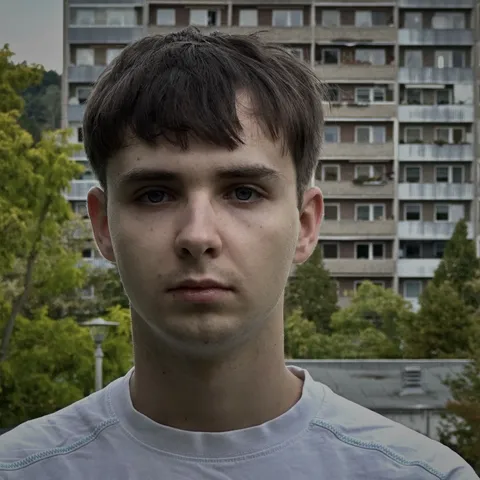
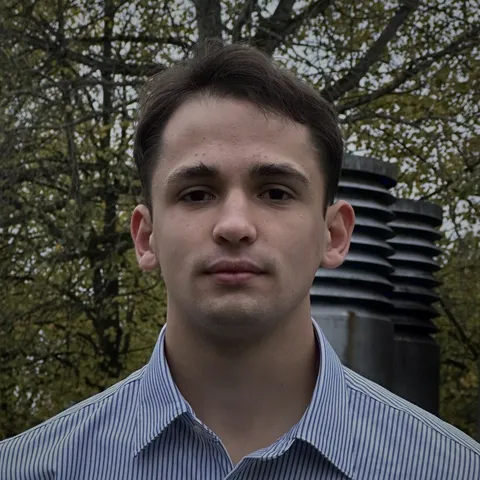
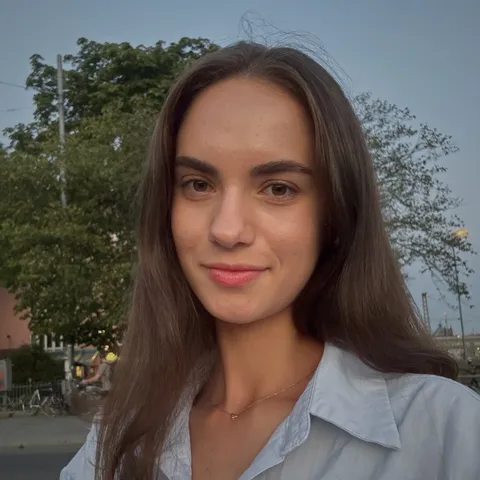
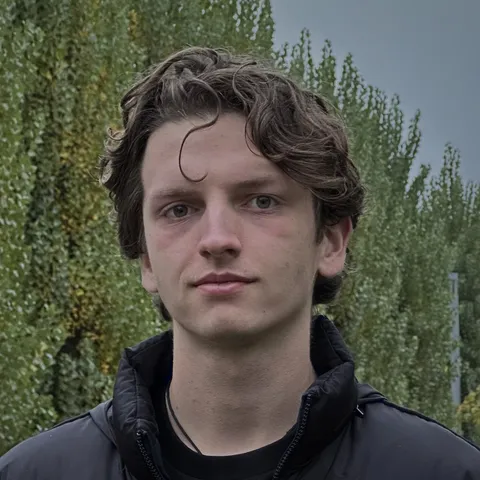
team

partners
We are just getting started, so no partner logos yet. We are a non-profit student initiative: partners support our activities, but do not decide our content. Companies, labs and initiatives can work with us by:
join
$ signup
Sign up in about a minute.